
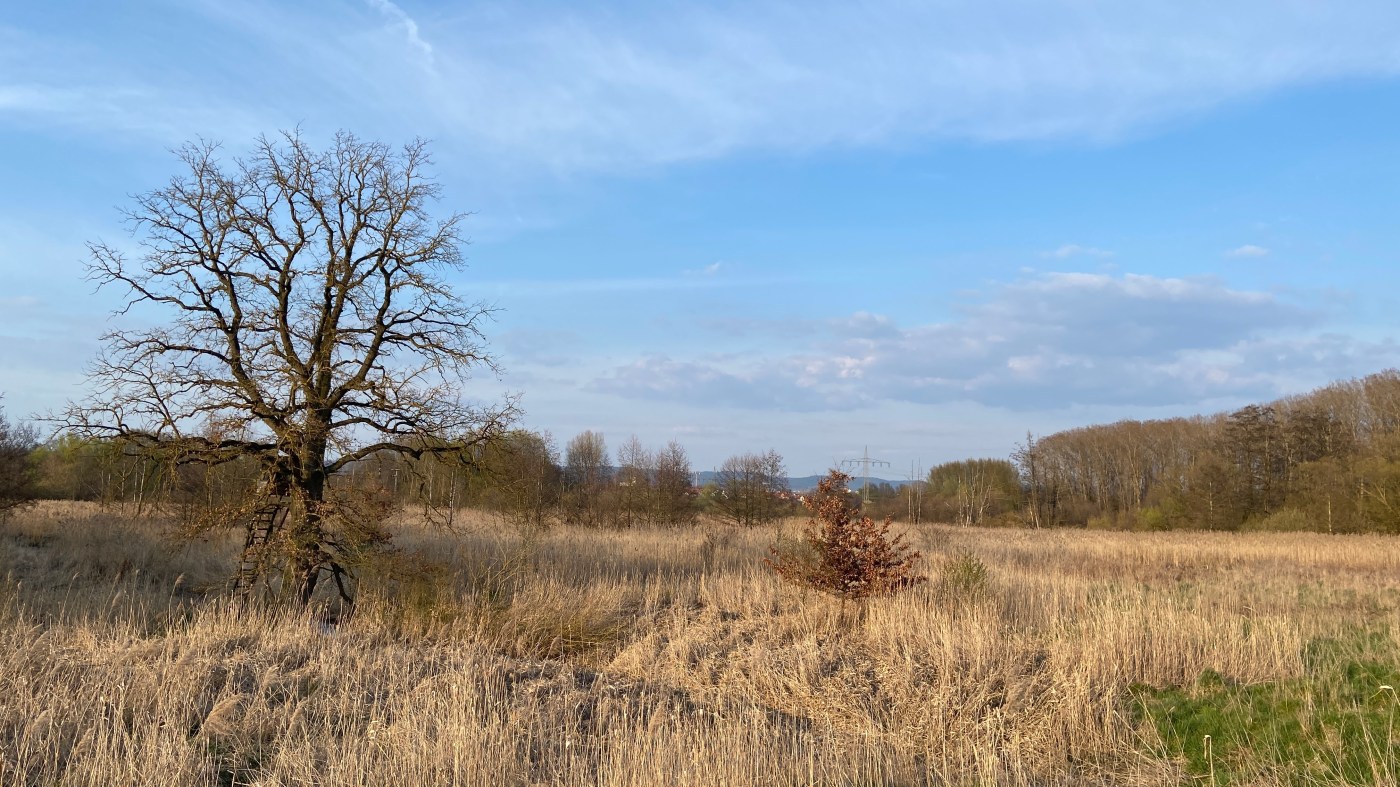
To understand the education of children, we might look at how someone tends to his own land.
When we see a beautiful garden, we must remember—it did not appear out of nowhere. That plot may once have been overrun with weeds, unstructured and chaotic—or in danger of becoming so. But a wise gardener begins with a vision.
He asks: Is the ground sunny or shaded? Moist or dry? Sandy or loamy? He considers the shape and feel of the future garden: What will it look like? What does he want from it? Then come the practical questions: What tools will be needed? What kinds of plants and flowers will thrive? Which are too risky to invest in? And who will tend the garden over time?
Just as a gardener begins by studying the land, so too must we begin with careful discernment and preparation when raising children. We must understand their inner inclinations—what drives them, what they are naturally drawn to. What is their character made of? How easily can it be shaped? Which talents are waiting to be developed, and which traits might need tempering?
Some things can be taught gently, almost effortlessly, as they align with the child’s nature. Others require structure, persistence, and time.
And just like gardening—or raising a child—the formation of a soul is a long and patient work. It takes time—often a long time—marked by setbacks, wrong turns, and what may feel like wasted years. But in the end, the journey proves worthwhile. It resembles the effort of a deep-sea diver searching for pearls: descending into the depths, pushing through the crushing pressure of the water, facing hidden dangers—perhaps even sharks. Yet despite the risks and exhaustion, the diver persists, because the treasure is real.
In the same way, the soul shaped by grace is formed not in ease, but in endurance, clarity, and the quiet persistence of those who seek what is eternal.
And what of those who never had the chance to find their own path? They may need more time—and more help—to realize their potential. But they have not lost the bet on their lives. What matters most is to persist. To seek the path relentlessly, and once found, to walk it and work it.
Like the gardener above—planning, planting, nurturing, correcting, and trusting the process—we too must tend the inner garden of a child, or of ourselves.
 The Deeper Diver
Leave a comment